About ILha Rural School of Arts The People’s Forest Support us to protect ILha
Restoration Model
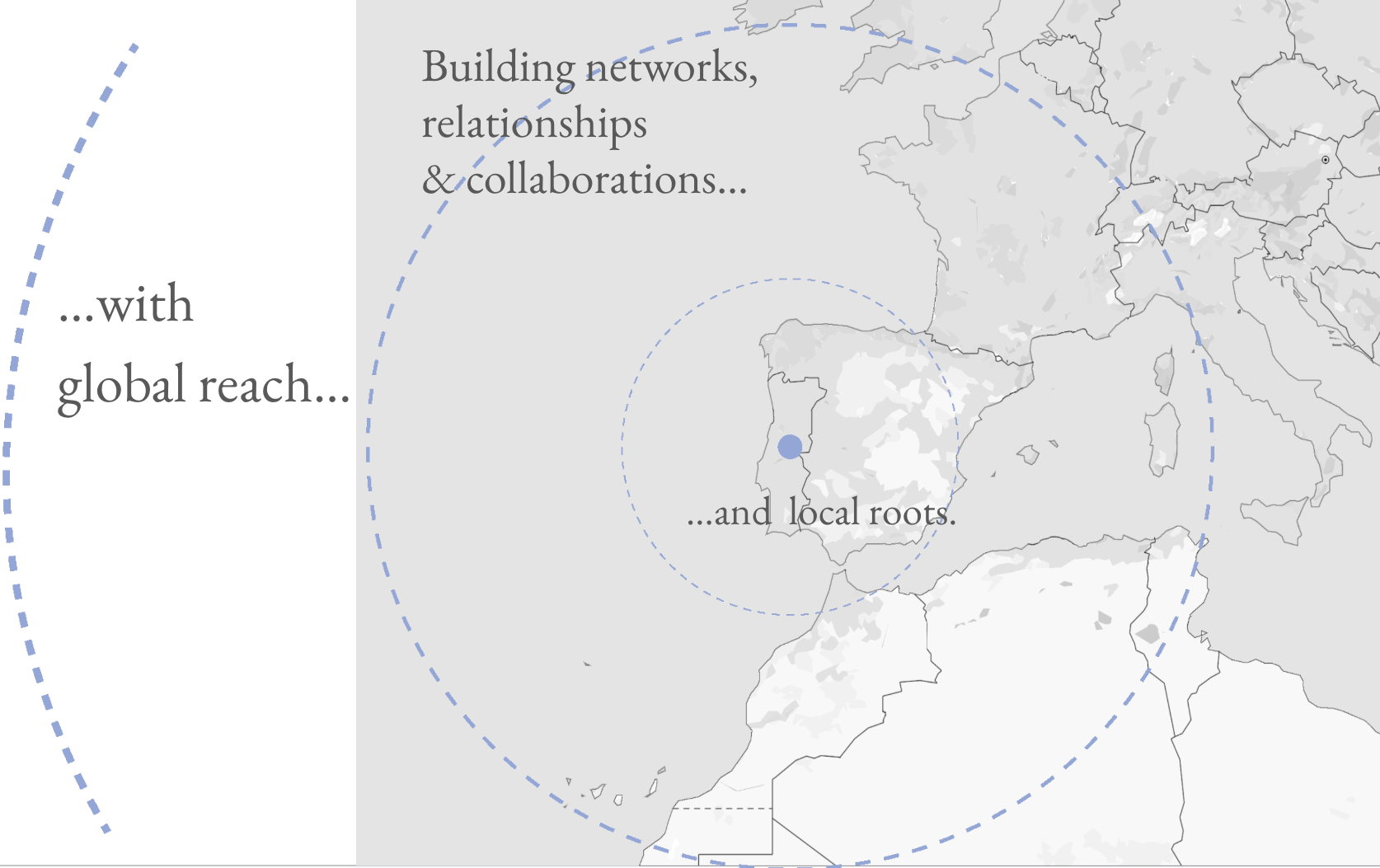
ILha and us, through The Rural School of Arts and The People’s Forest presents an exciting dual restoration model. By operating at the intersection of Ecological Restoration and Cultural Preservation, the project as a whole addresses the decline of both biodiversity and traditional skills in the Iberian Peninsula. A unique opportunity to secure 24 hectares of wildland in central Portugal for permanent conservation along with the establishment of a world-class cultural and artistic preservation hub.
Ecological Restoration
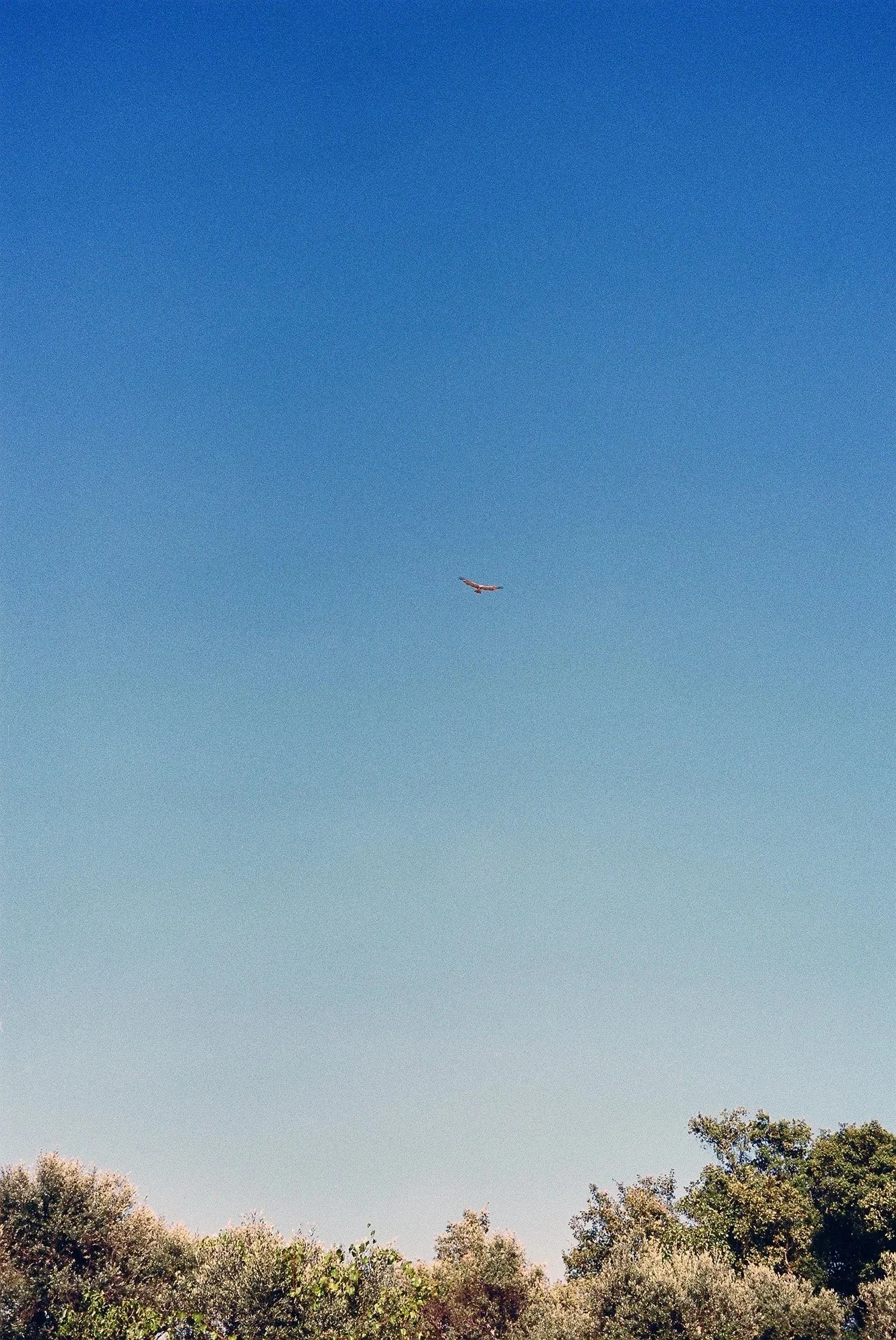
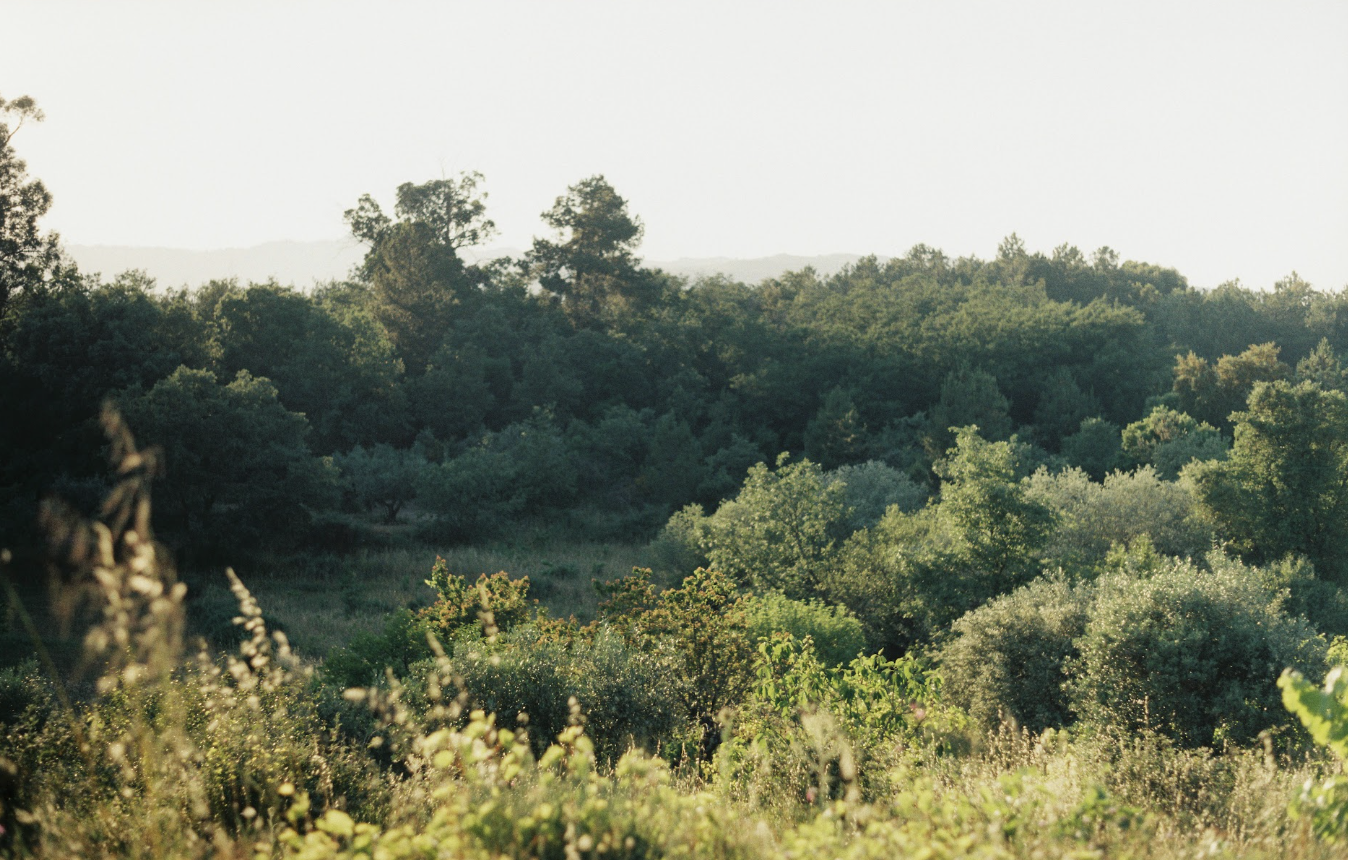
Restoring 24 hectares of wild land to serve as a refuge for species such as the deer, eagle, and honey buzzard.
The strategy focuses on Assisted Natural Regeneration (ANR) to build soil health, protect and nurture native tree species, increase water retention, and develop "Green Firebreaks" to mitigate wildfire risks, creating wildlife corridors whilst operating as a guardianship model.
Read more
Cultural Preservation
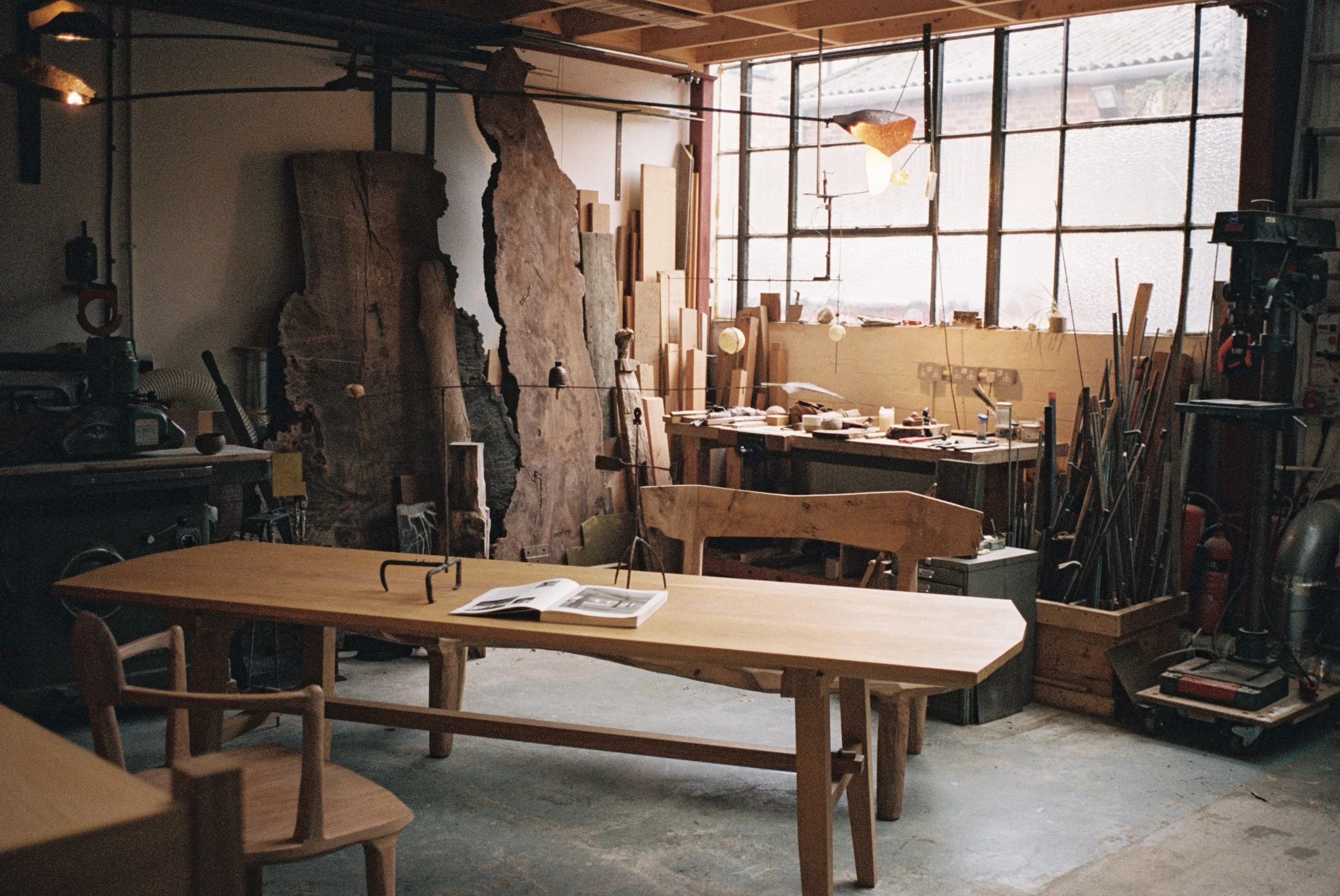
The Rural School of Arts will preserve "at-risk" traditional arts and crafts. By integrating intergenerational knowledge-sharing, with world-class artistic direction, in an ecologically important setting, the school will foster a circular economy where students learn to work in harmony with natural resources. The Rural School of Arts will provide economic stability to the project by promoting local artisans and attracting international students and teachers to a marginalized rural region. Read more
Operational model
The project has a dual delivery model designed to be a "Living Classroom," where the maintenance and rewilding of the land interacts with the promotion and evolution of local arts and crafts. It will target, local, national and international stakeholders.
The operating model for the physical site will be replicated in a digital platform thus increasing the project’s reach and decoupling revenue from the risks of having one physical site.
The Physical Pillar (Stewardship): A range of on-site activities
- Gold package – These are high-end experiences, where guests are offered a top level access to teachers and facilities.
- Silver package – These are teaching and community events that are affordable and do not require a high operating cost.
- Bronze package - These are low-cost, "entry-level" experiences and products that build the audience.
The Digital Pillar (Resilience)
A tiered online offering that mirrors the physical pillar and bronze, silver, gold packages. It will also build a strong pipeline of global interest through free newsletters, introductory webinars and video content.
Income generated in these pathways will support work and programming with the local community.
Operational Income
Once the initial investments have been made the project ensures solvency through:
1.Tuition,Workshop & Retreat Fees: Domestic and international student enrolment.
2.Nourishing Hosting: Stays in "elemental guesthouses" built using local materials and sustainable crafts.
3. Public Exhibitions: A biennial exhibition series showcasing work from invited artists.
4.Online: Courses, experiences and retreats.
5.Memberships and Subscriptions: to both digital and physical pillars.
6.Products: Sale of high value craft and art pieces, along with seasonal produce and books.
7. Grants: The project will align with suitable cultural and environmental grant funding.
Several of these grants are available in Portugal to support environmental improvement and regional culture.
Educational Programming
The Rural School of Arts serves as the operational engine, ensuring the project is not merely a "passive" nature reserve but a "living" cultural asset. All programs will aim to bridge the gap between an aging local population (the "knowledge holders") and a new generation of makers and thinkers.
Crafts: Hand-tool woodworking, metalwork, traditional stone masonry, traditional architecture and textile arts.
Visual Arts: Cinema, moving image, and photography.
Land: Herbal medicine, rewilding and regenerative agriculture.
Cultural: Seasonal programming aligned with local traditions like the Olive Harvest (October) and Micaros mushroom festival (November).
All programs will be created in conjunction with our Portuguese partners and networks, supporting locally rooted programming and participation.
Local Partnerships
Aldeia dos Girassóis, community networks, grantmaking and participation
The Poets House in Póva de Atalia, for local led cultural programming
Cova Da Beira Converge, organic farming networks and local cooperative produce.
White Stone Association, local networks and land management knowledge
With support of our networks we have begun research on Grant schemes for future post 2026. Grant options including: Portugal 2030, CIMBSE, Rural Development Agency, Interreg V Sudoe